

Smart Circular Bridge, Ulm, Germany, 2025
PROJECTS - CITY INSTALLATIONS
Location:
Ulm, Germany
Project Type:
Bridge
Completion Date:
2025
Scope of Work:
Research, design, and consultation
Materials Used:
Natural flax and hemp fibers
Architecture Design Team:
BioMat Team
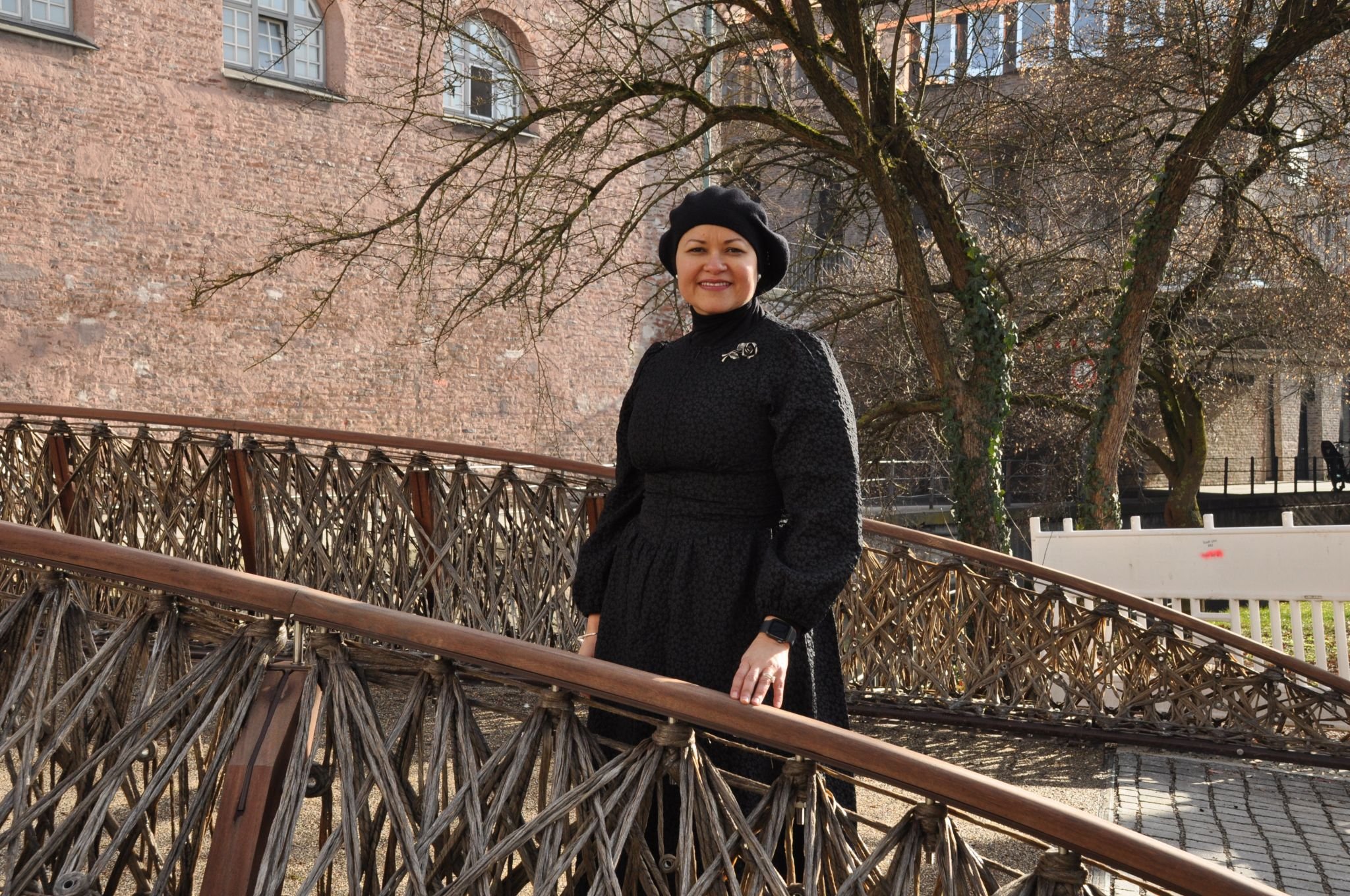
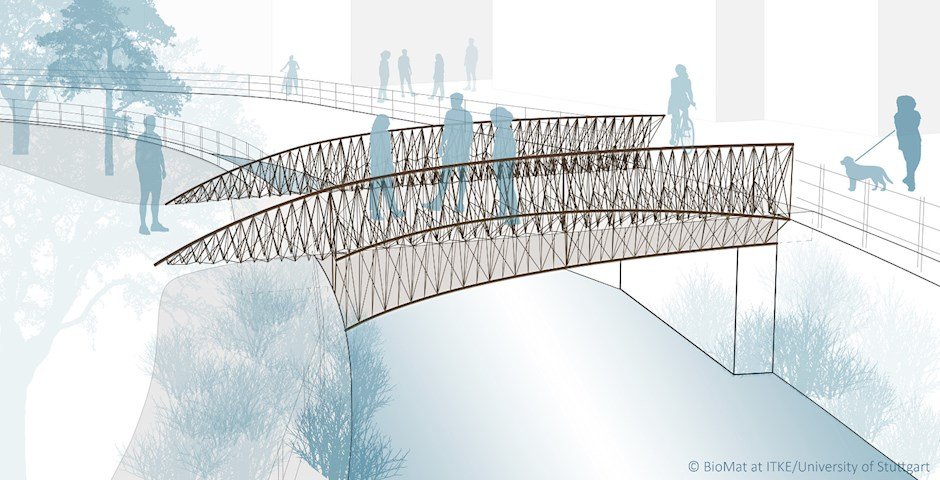
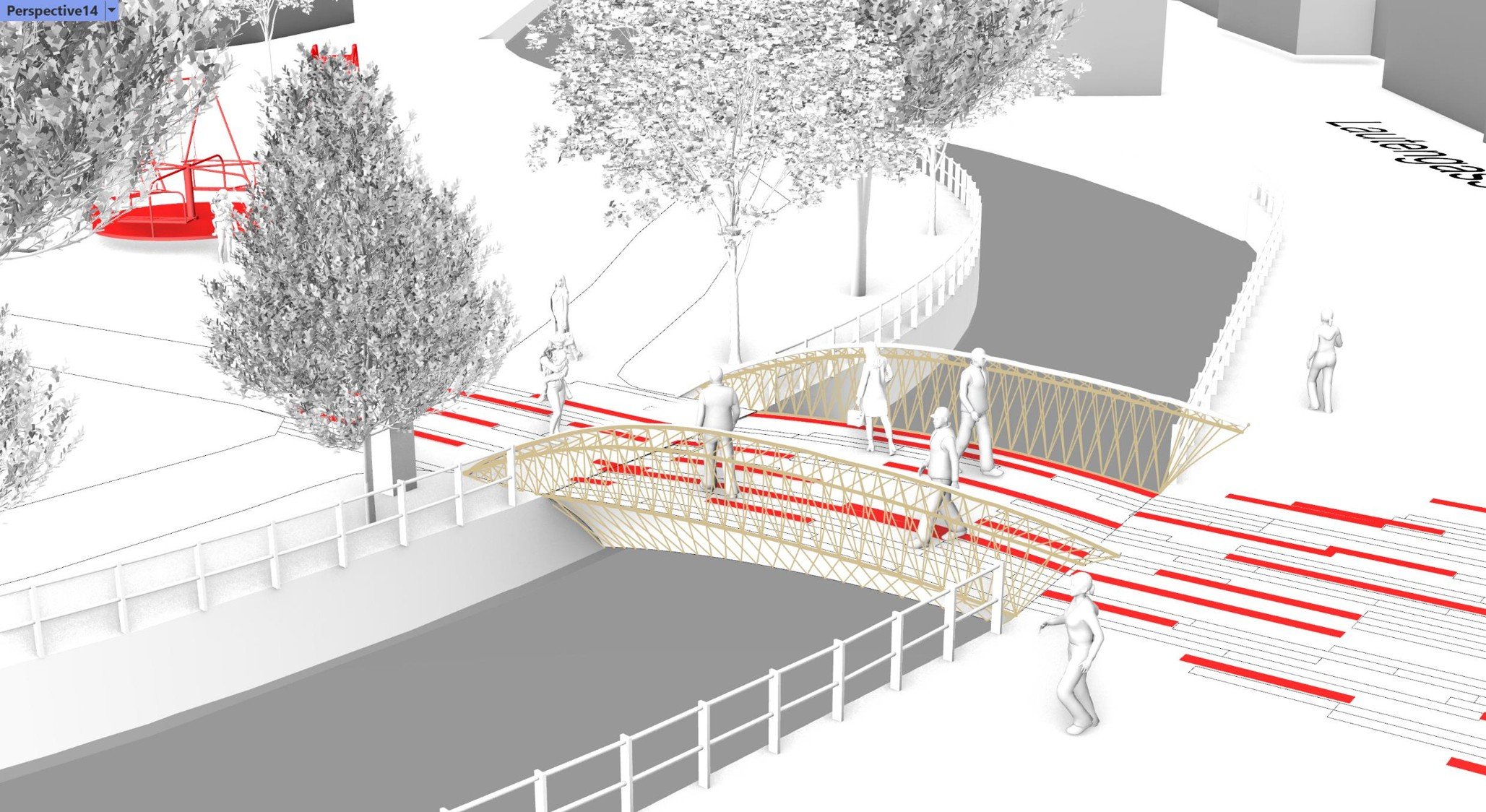
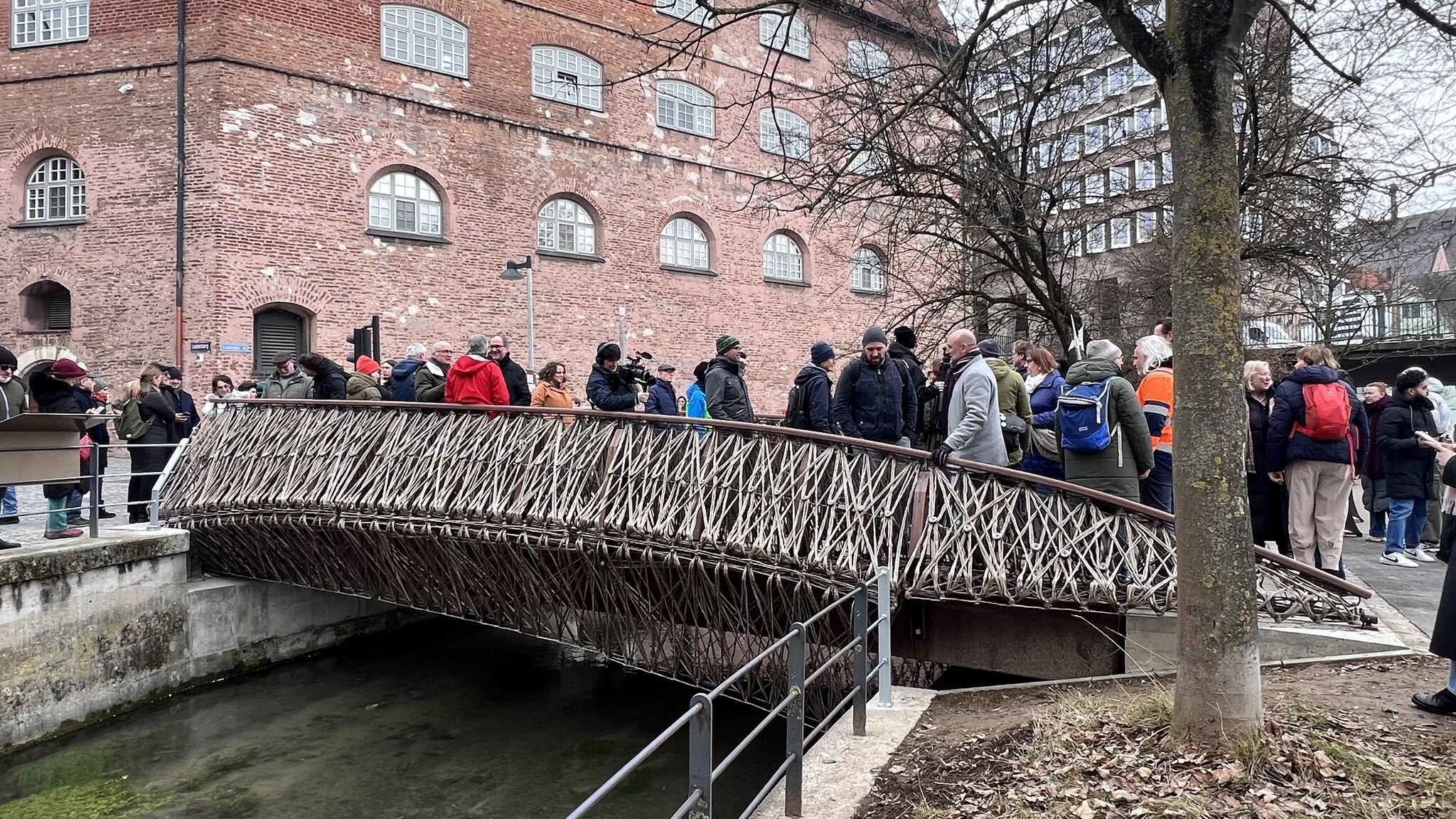
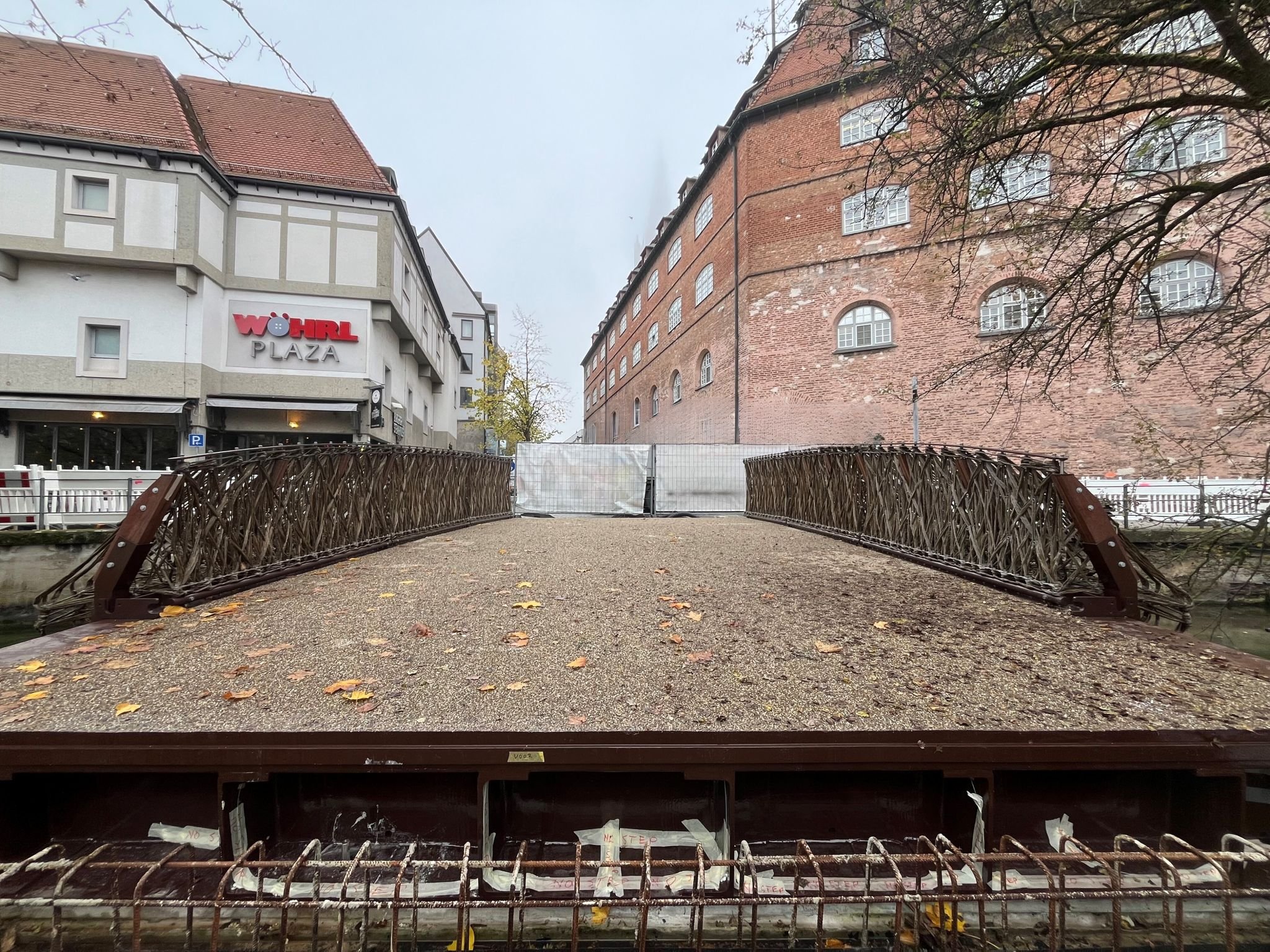
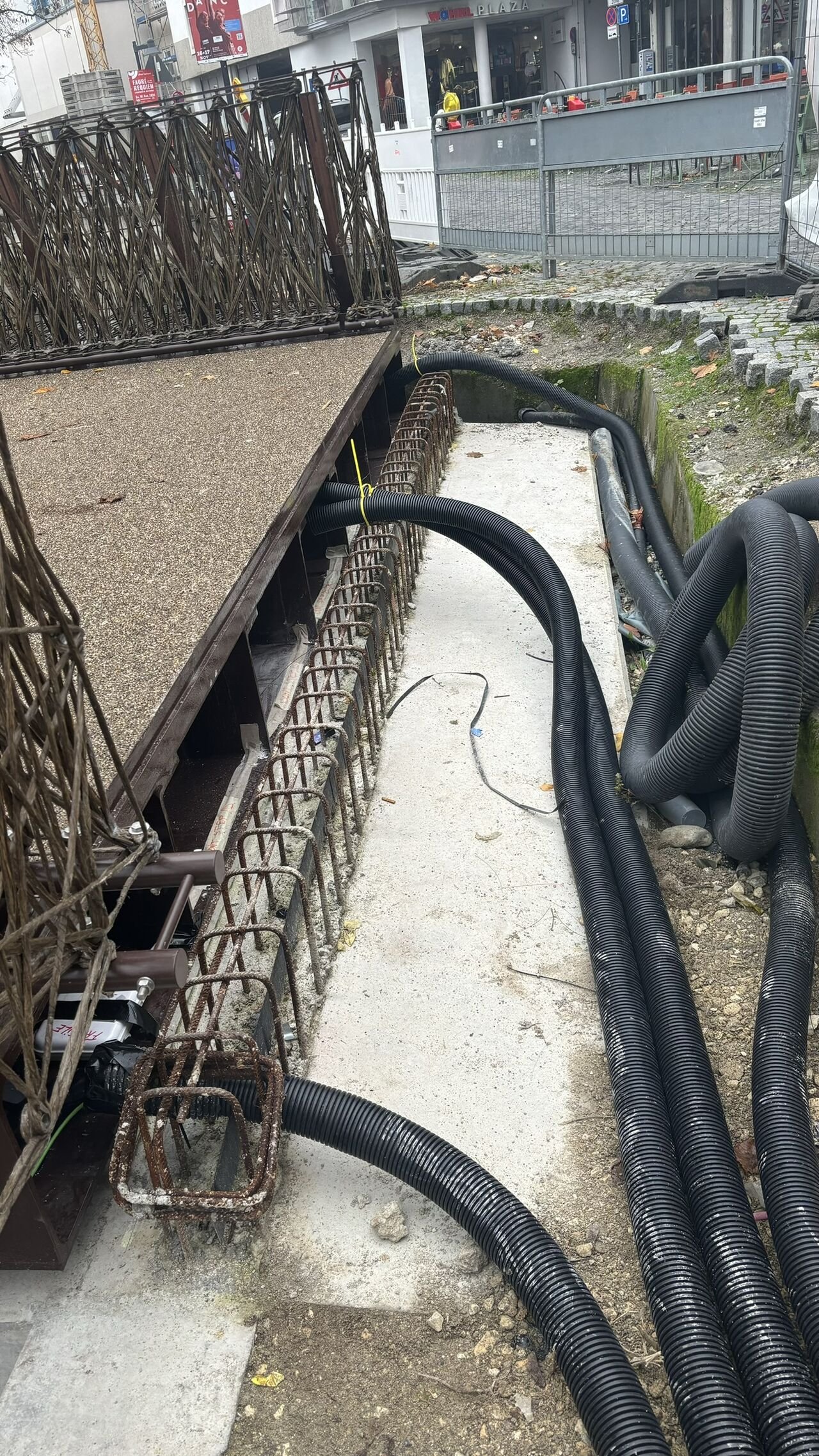
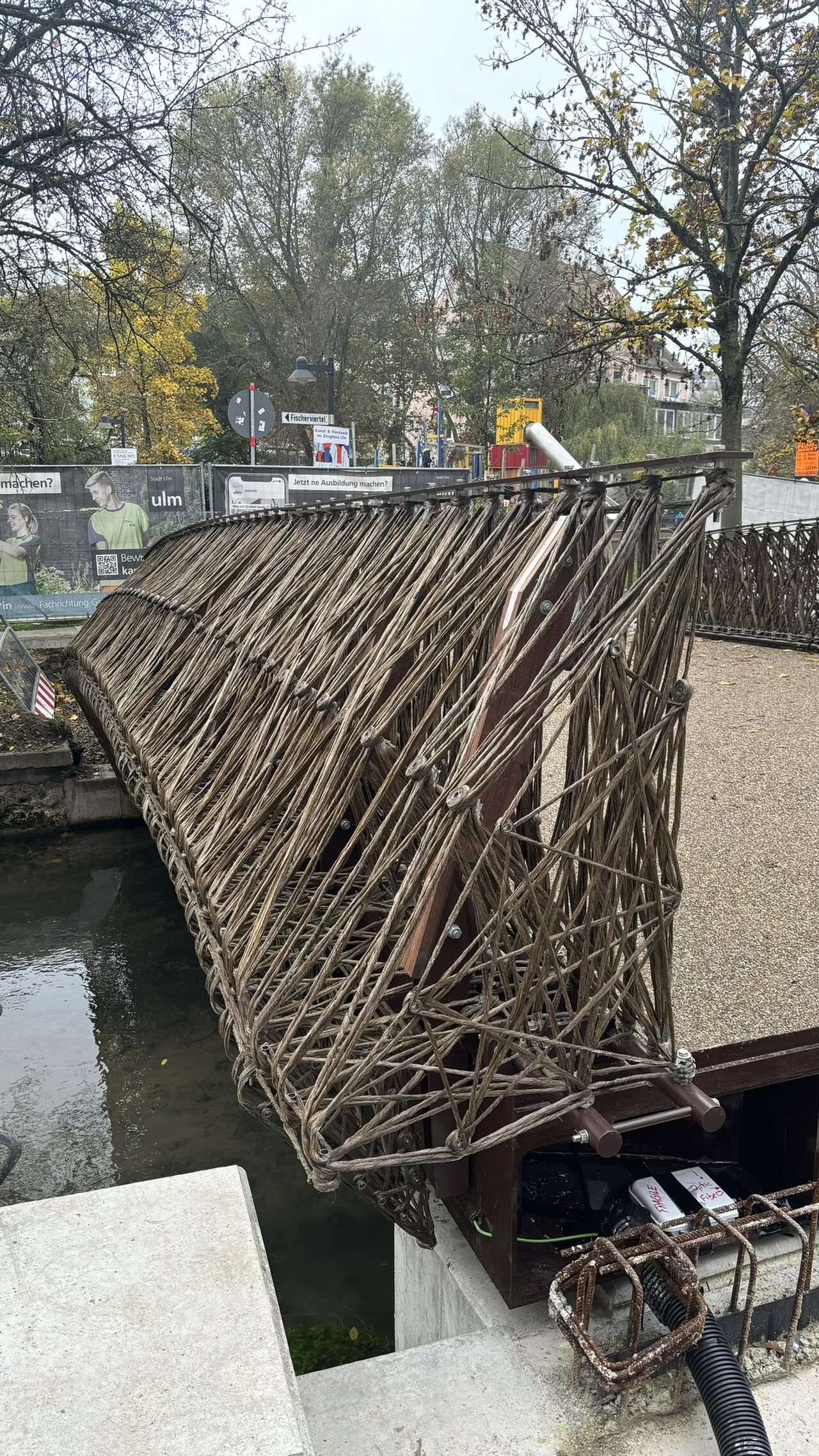
The new Biocomposite Bridge in Ulm is the latest achievement of the Smart Circular Bridge Project, with BioMat serving as the architectural partner. It is the second bridge completed within this EU-funded initiative—following the first in Almere, Netherlands—and marks the first realization in Germany. Located in the heart of Ulm's historic old town, just 150 metres from Ulm Cathedral, the bridge crosses the Blau River, blending sustainability, innovation, and public interaction. This project exemplifies how the construction industry is embracing sustainable, bio-based materials. Officially opened in early 2025, the bridge showcases the structural potential of natural fibres as a high-performance alternative to traditional construction materials—for use not only by pedestrians and cyclists but also by vehicles. The primary material—flax fibre—has a rich history, traditionally used for textiles, ropes, and sails, with a strong heritage in Upper Swabia. In this project, flax reemerges as a load-bearing material in modern infrastructure. The bridge spans nine metres in length and five metres in width, with a structural body that resembles concrete but is, in fact, a composite of flax fibres, bio-based epoxy resin, and recycled PET foam.
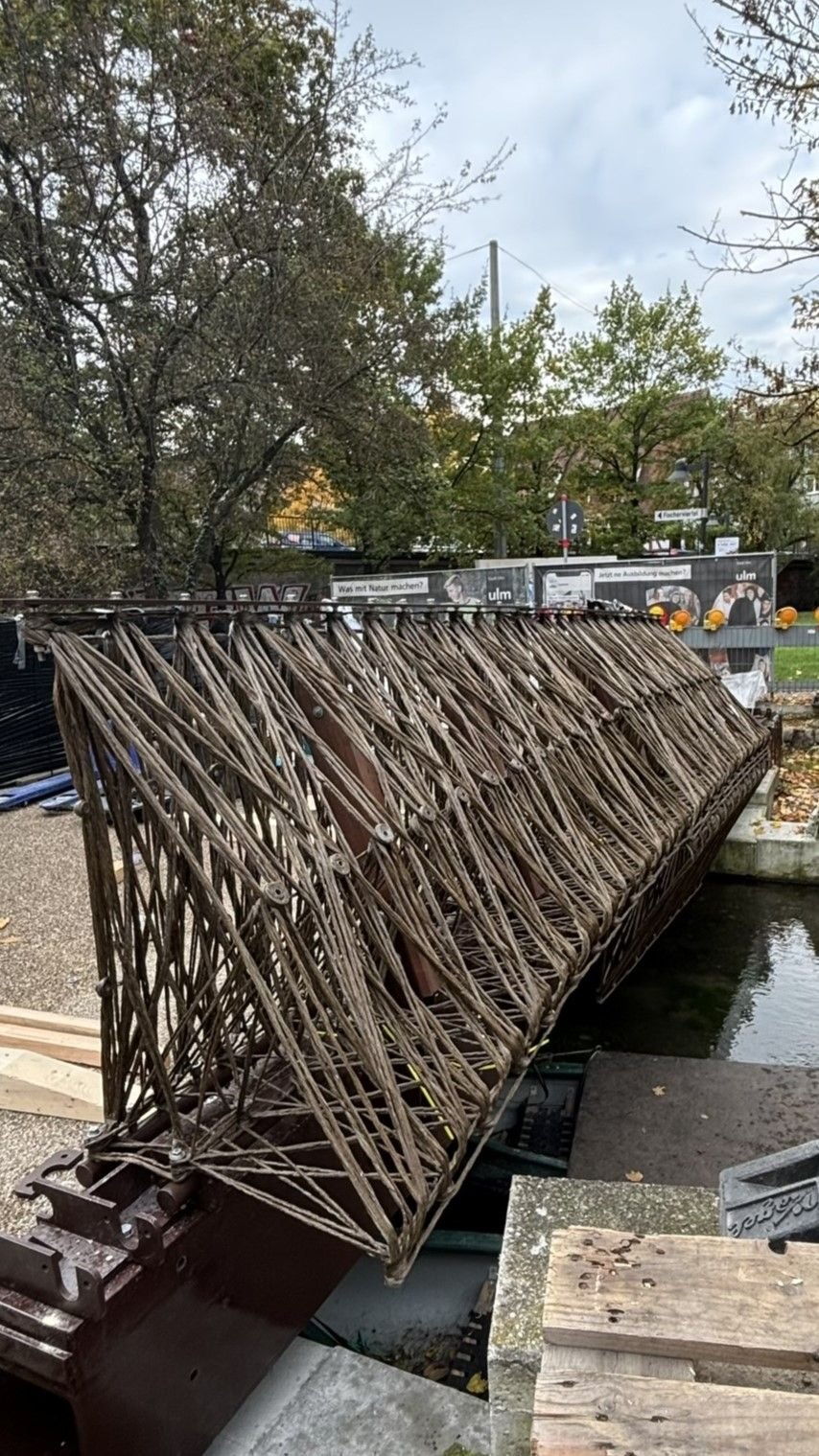
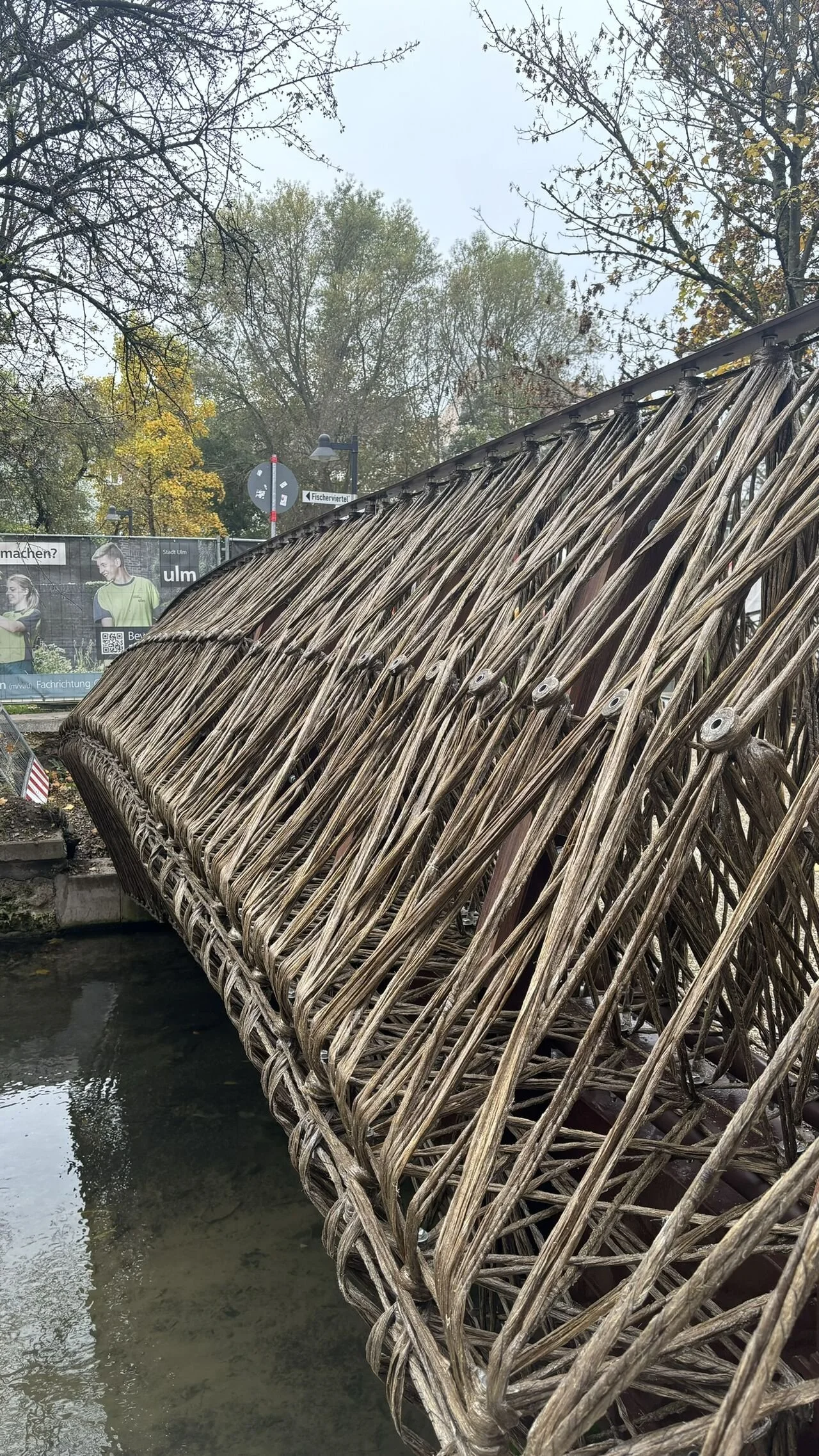
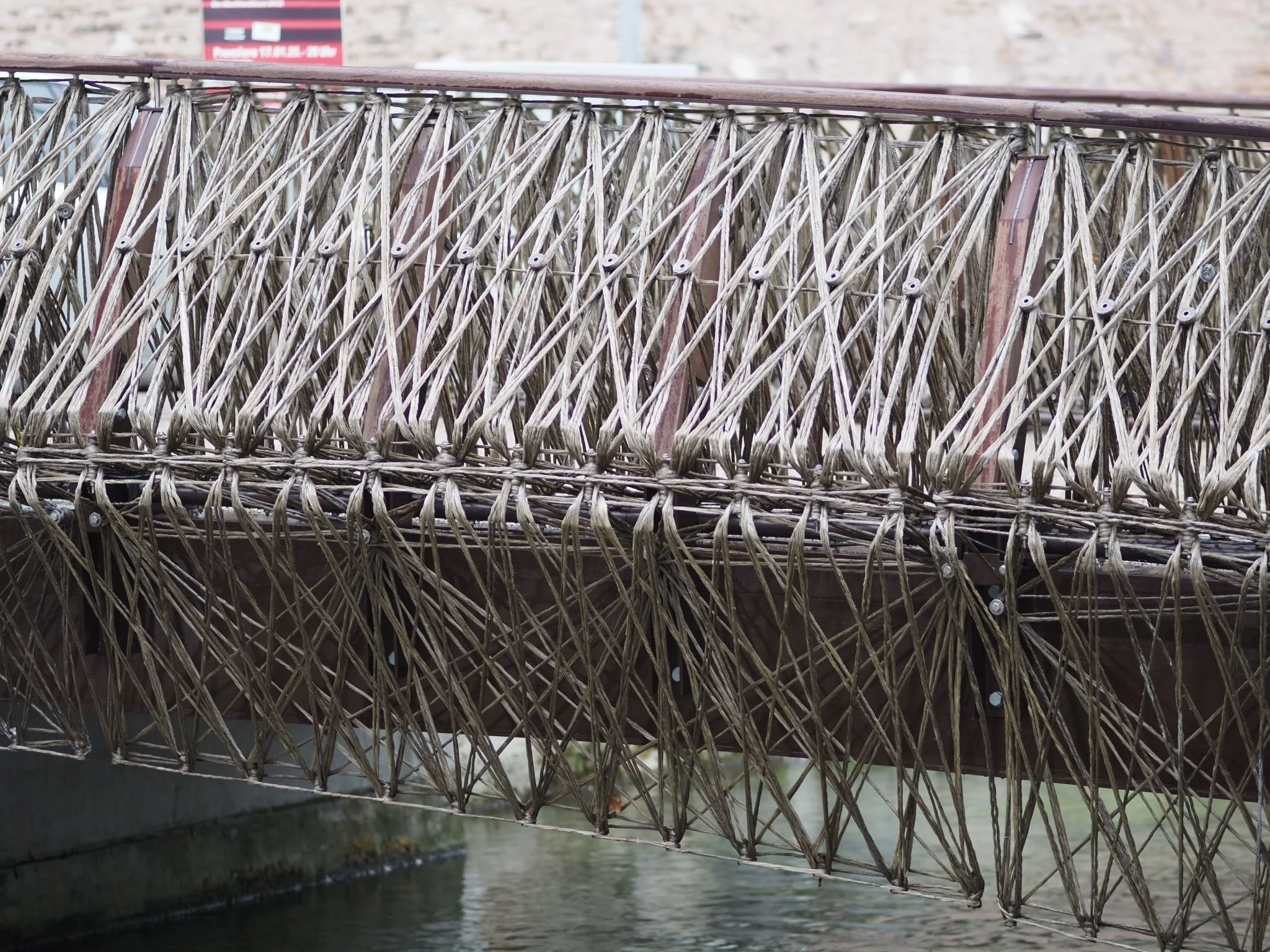
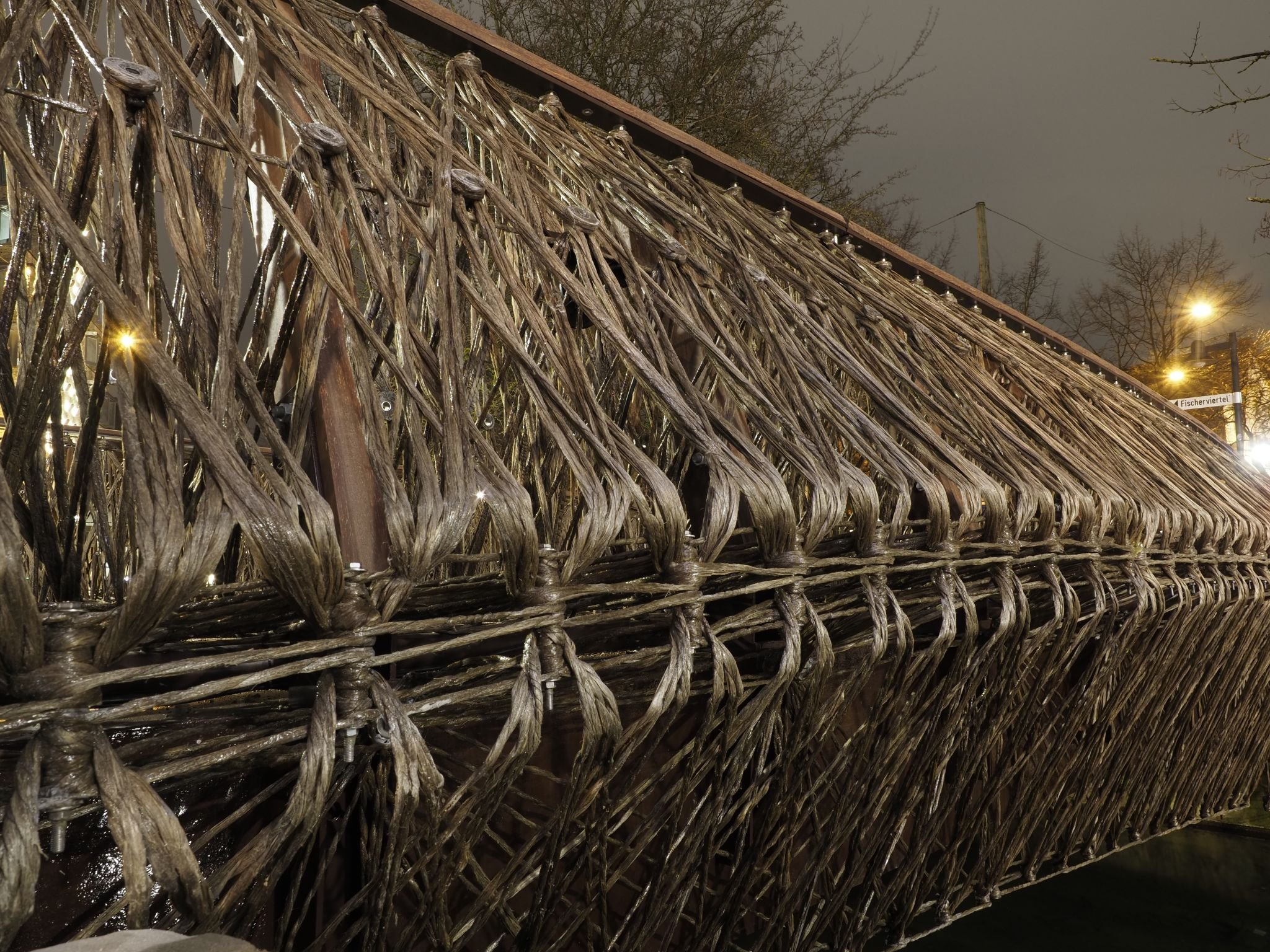
Key components of the structure include ropes made from flax fibres soaked in epoxy resin, giving them exceptional strength and durability. The railing posts are repurposed from recycled hardwood, salvaged from a dismantled bridge. To fabricate the flax composite, fibres are laid into a mould, sealed, and subjected to a vacuum into which the bio-resin is injected—after which the material cures into a solid composite.
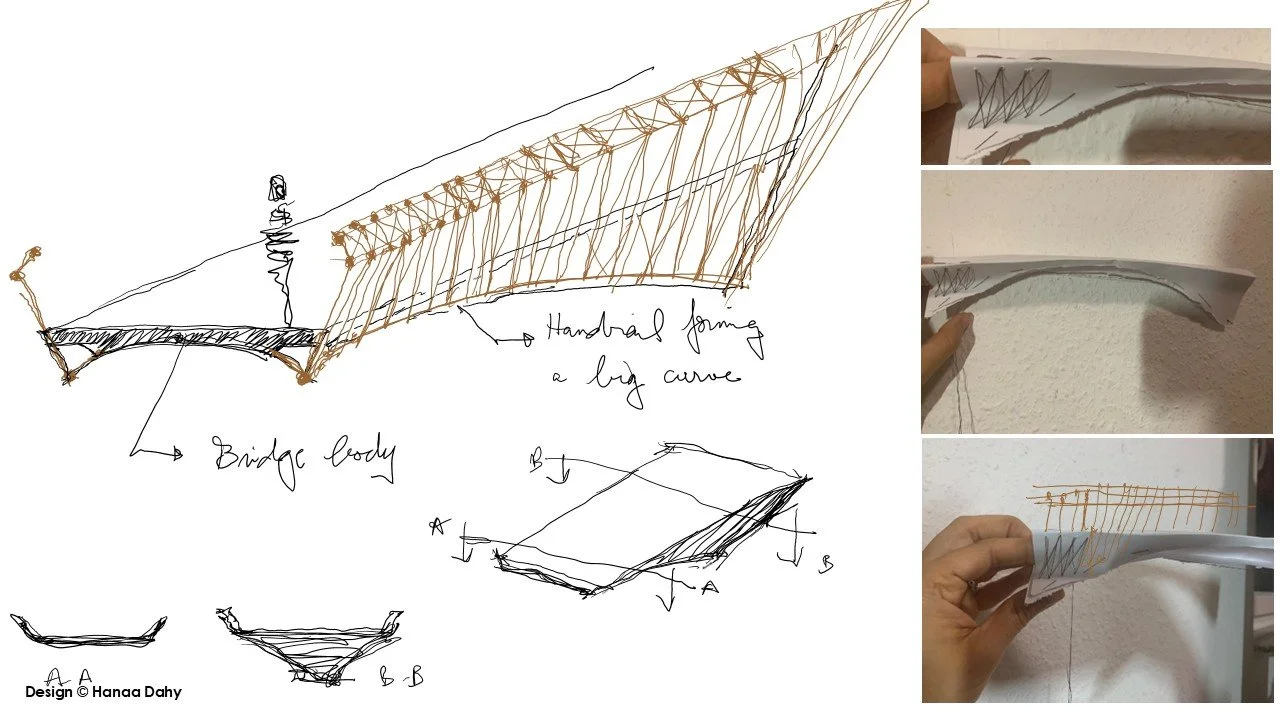
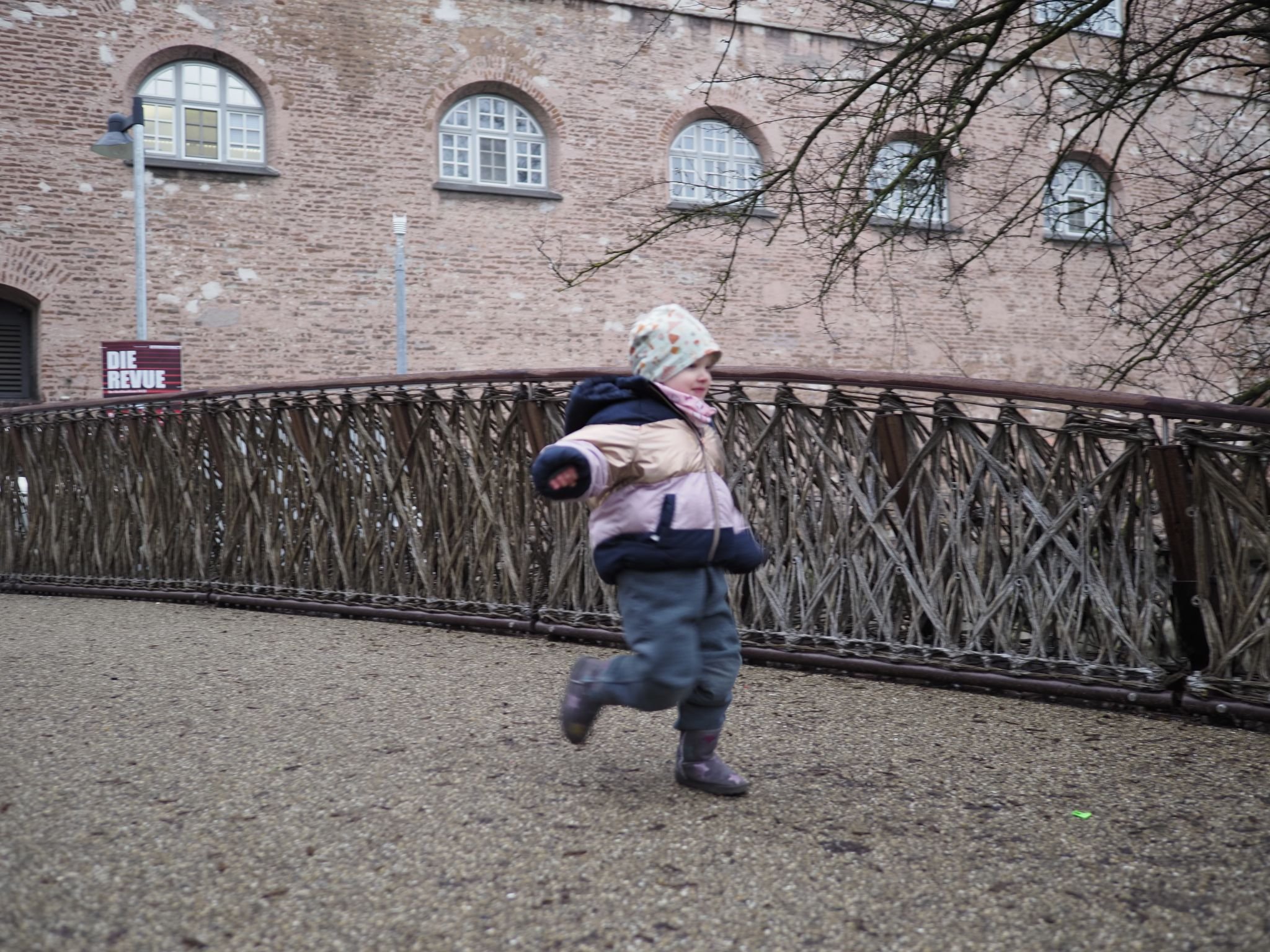
The bridge underwent rigorous load testing to ensure structural integrity. What sets this bridge apart is its smart sensor technology: 42 embedded sensors track data on load, deformation, temperature, and environmental conditions. This data is continuously analyzed using artificial intelligence for long-term monitoring and performance assessment of the biocomposite material. Beyond its engineering merit, the bridge also stands out for its design and interactivity. The uniquely geometric railing was woven by robotic arms, highlighting the aesthetic and manufacturing capabilities of advanced fabrication. Additionally, an interactive sound installation, developed by a sound agency, translates the movements of pedestrians into acoustic signals, turning the bridge into a fusion of sustainable engineering, digital innovation, and public art.
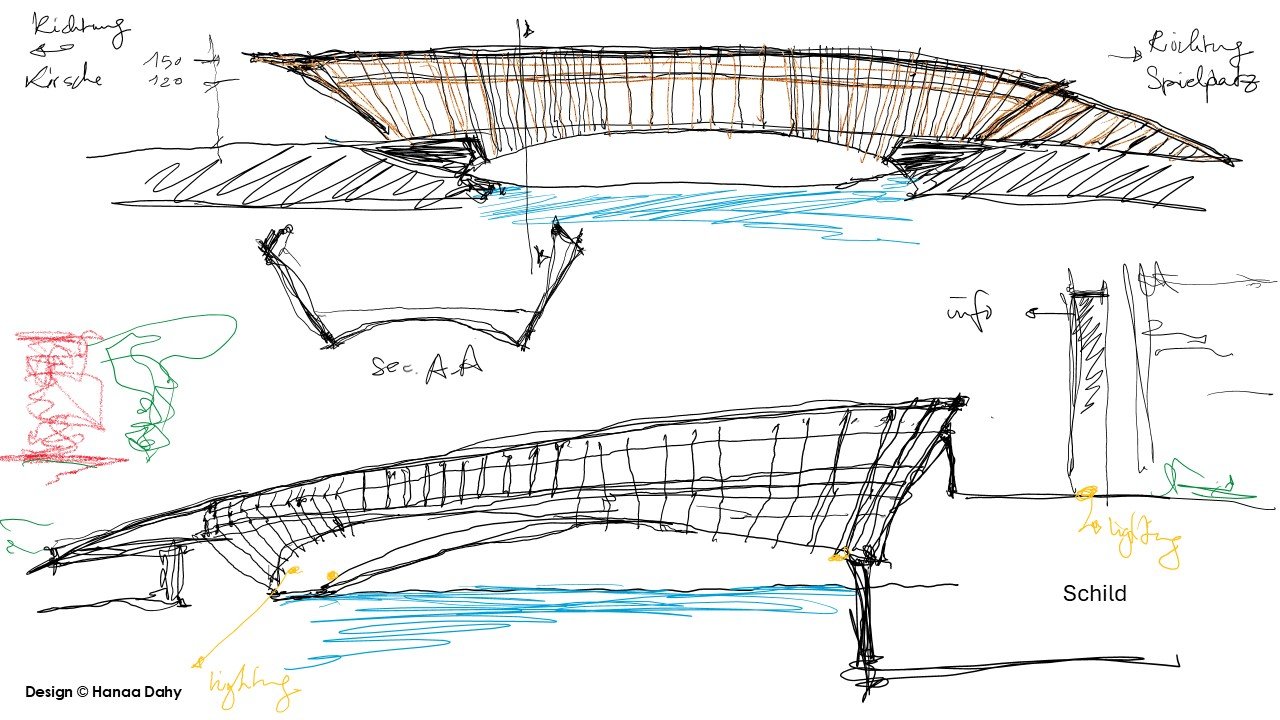
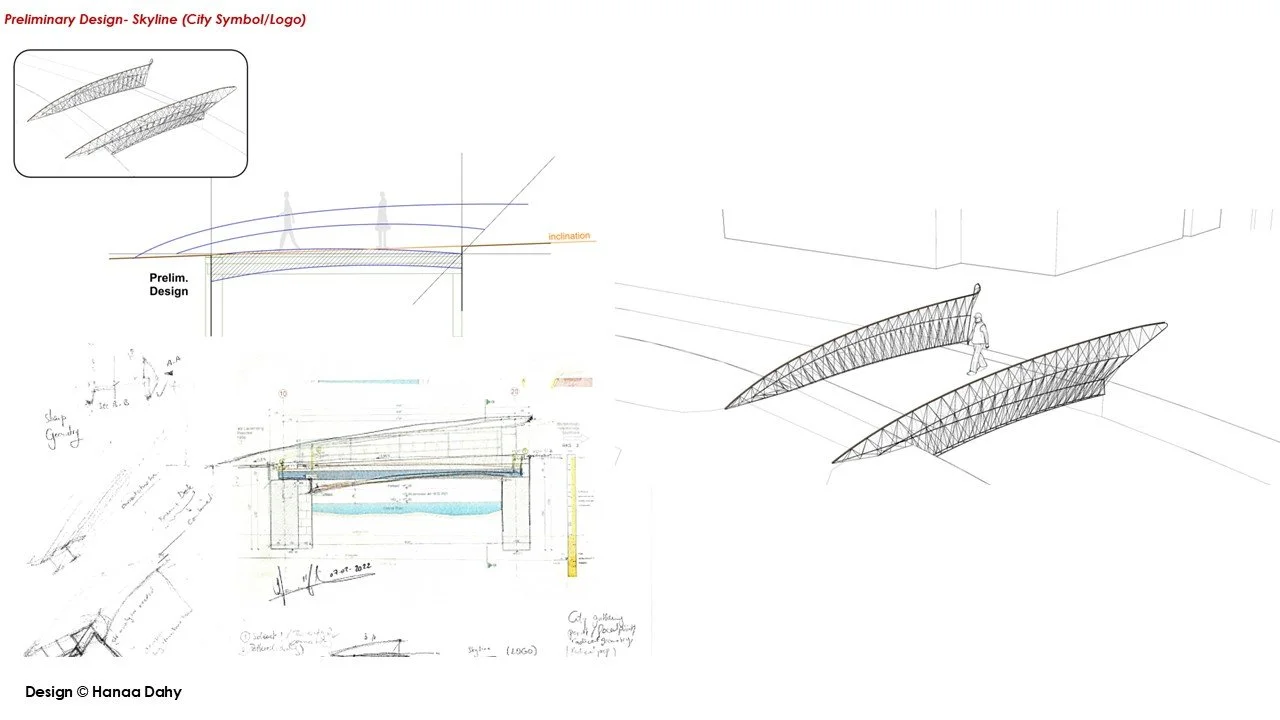
Technical Drawings
Gallery
Project Team:
Client: Stadt Ulm
Communication: Proesler Kommunikation
Engineering en production: Eindhoven University of Technology, Witteveen+Bos, Delft Infra Composites B.V.
Pruffungsengineer: Dipl.-Ing. ngenieurbüro für Tragwerkeplanung Heller Dieter Ingenieurbüro für Bauwesen
Architect: Assoc.-Prof. Dr.-Ing. Hanaa Dahy, BioMat GmbH
Sensors: Com&Sens | Adding value by sensing , 24SEA
Balustrade: FibR GmbH
Fibers: Bcomp Ltd
Resin: Polynt Group
Coating: De IJssel Coatings B.V.
Transport: E. Lafeber Internationale Transporten B.V.